
How to connect your machines
to a Laptop or PC with Metro Lab Pro.
Modern laptops do NOT have 9-pin serial ports, and you don't need one! Below you'll find exactly which USB, USB-C, or Ethernet cable your laptop supports, and how it plugs directly into your clinical analyzer.
How Laboratory Data Streams to Your Laptop / PC
See exactly which cable to plug in, where it connects, and how Wi-Fi wireless reception works.
 LAN/COM
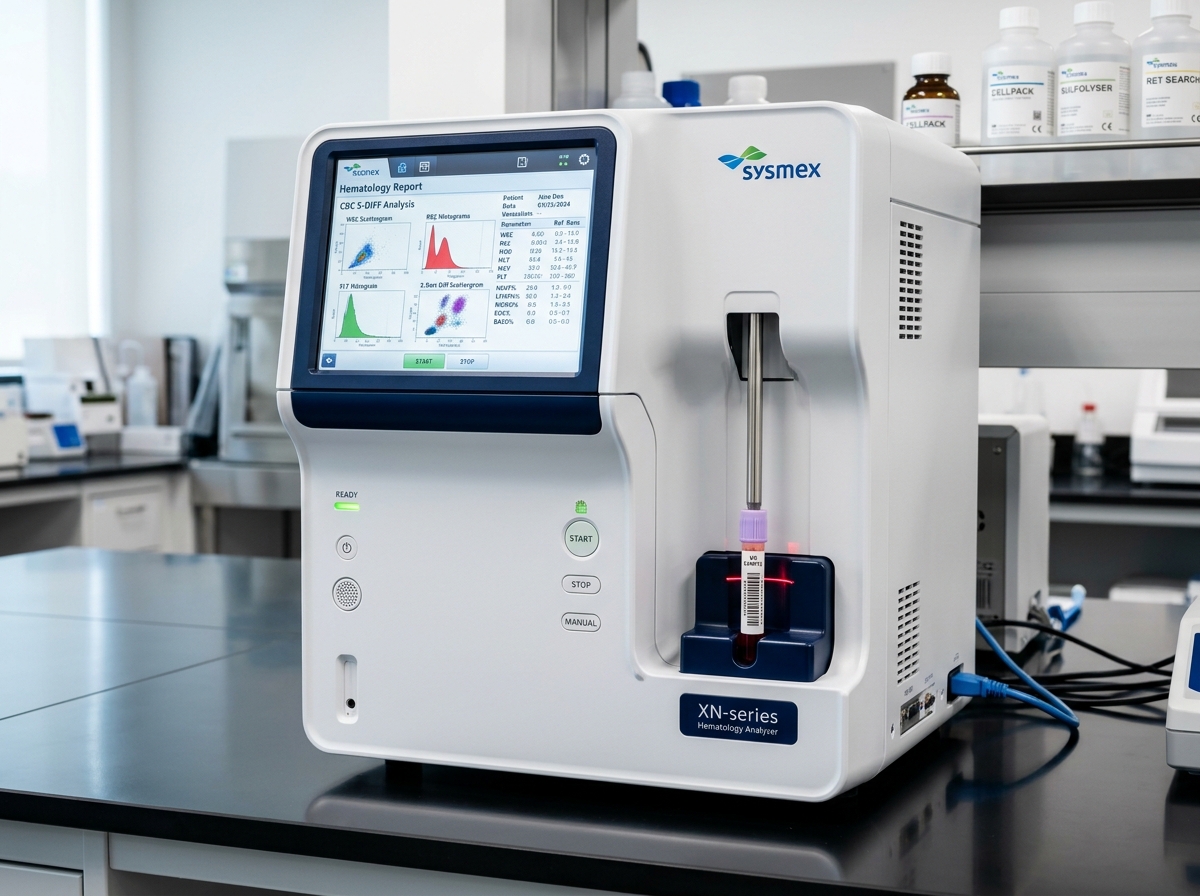
Sysmex XN-350 / XP-300
Cat6 LAN • TCP Socket (Port 5000)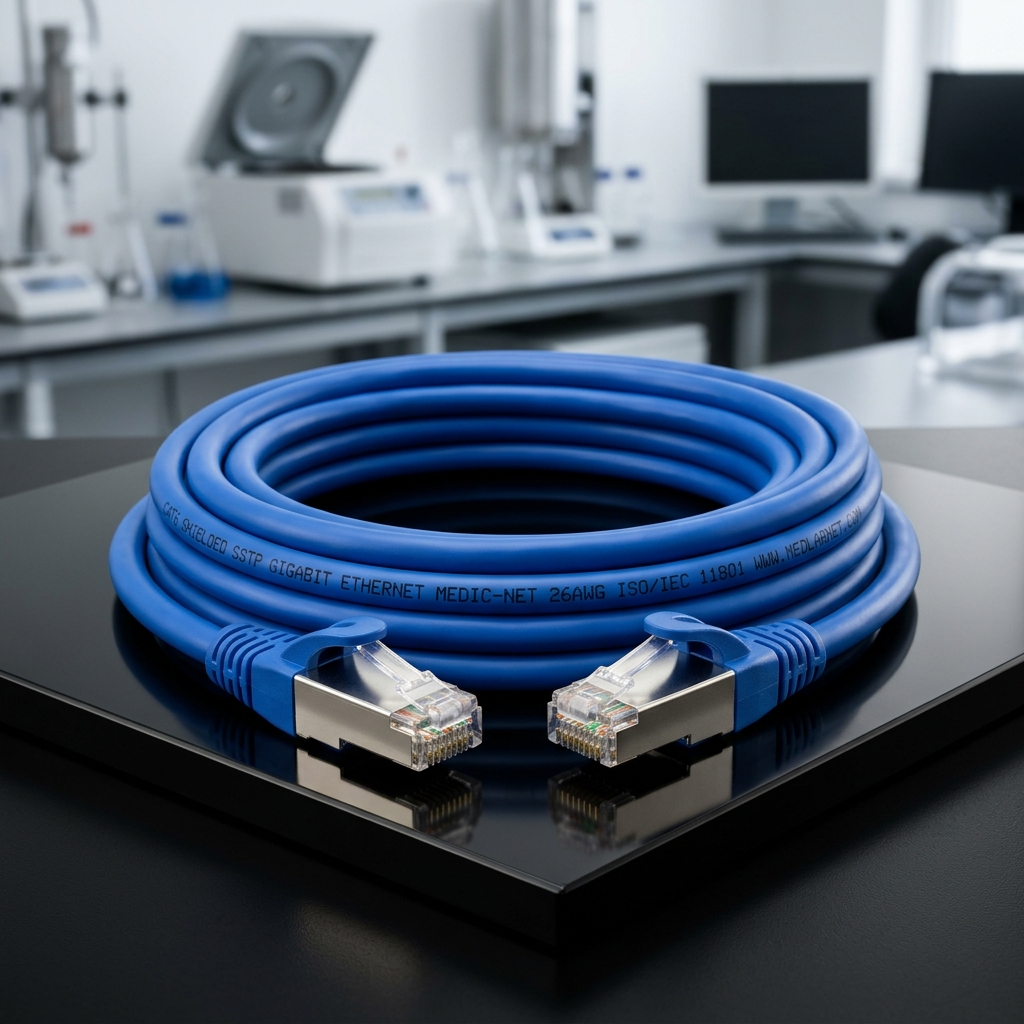
Can your laptop be on Wi-Fi wirelessly while the machine uses a Cat6 cable into the modem?
✓ YES, 100% SUPPORTED!Yes! Because the modem bridges both Wi-Fi and Ethernet into the exact same local clinic network, your medical analyzer streams its data into the modem over the Cat6 cable, and the modem broadcasts it straight into your laptop over Wi-Fi air waves. You don't need any wire attached to your laptop at all!
Connecting From a Laptop? Here Is What Cable Plugs Into Your Computer:
Select your laptop port type below to view the exact connection method.
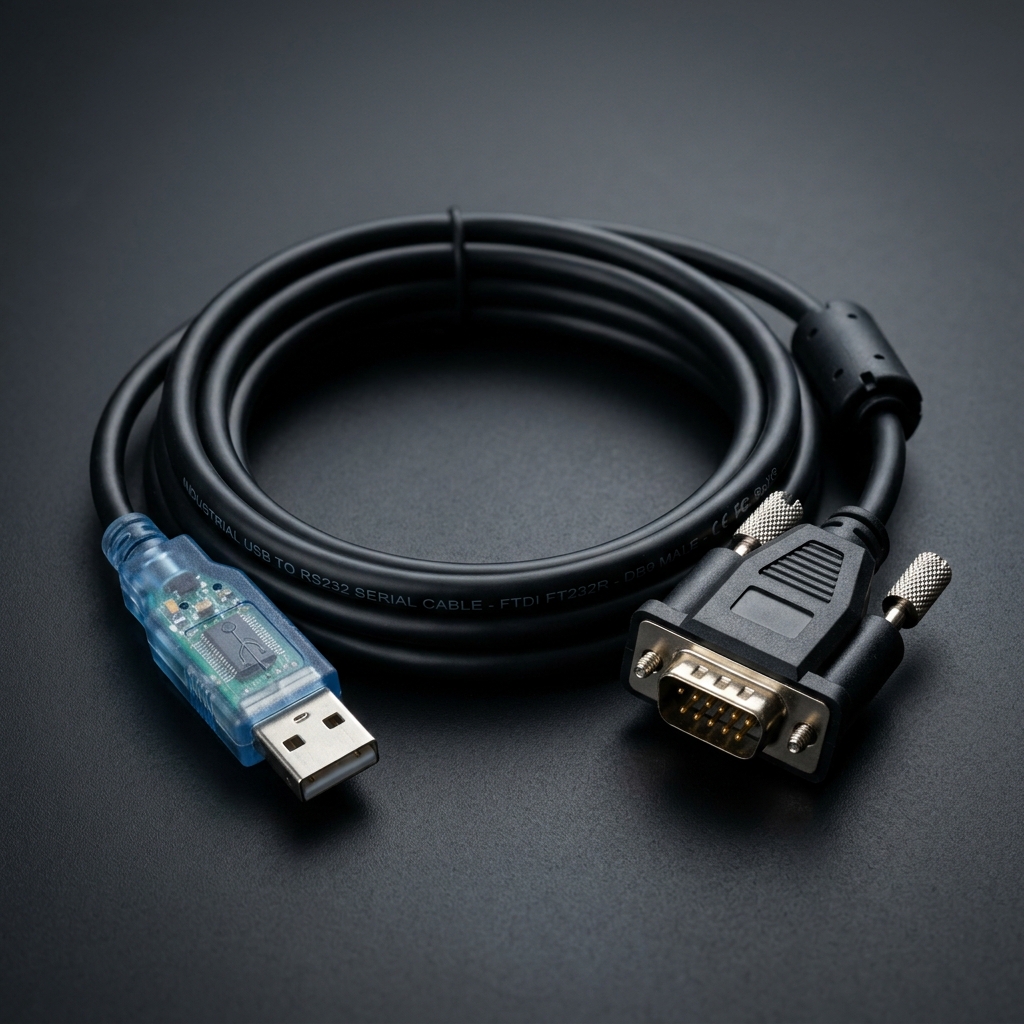 PLUGS INTO LAPTOP USB
Standard USB-A Laptop (Most Popular)
You do not need an ancient RS-232 port. You simply purchase a genuine FTDI Chipset USB to RS-232 DB9 Male Cable. The rectangular USB end plugs into your laptop, and the 9-pin end connects to your analyzer.
Sysmex XN-350 / XN-450 / XN-550
Hematology (CBC 5-Part)Sysmex Corporation5-Part Automated Hematology Analyzer with Reticulocyte Channel
Sysmex XN-350 / XN-450 / XN-550
Hematology (CBC 5-Part)Sysmex Corporation • 5-Part Automated Hematology Analyzer with Reticulocyte Channel
Look at the back of your machine
You will see 9 metal pins sticking out (Male RS-232 COM port).
Connect to your Laptop or PC
Set these 4 values on analyzer screen
Touch Screen ➔ Settings ➔ System Configuration ➔ Host Output ➔ Serial Interface ➔ ASTM E1394 Mode
Sysmex XP-300 / XP-100 / KX-21N
Hematology (CBC 3-Part)Sysmex Corporation3-Part Automated Hematology Analyzer (20 Parameters)
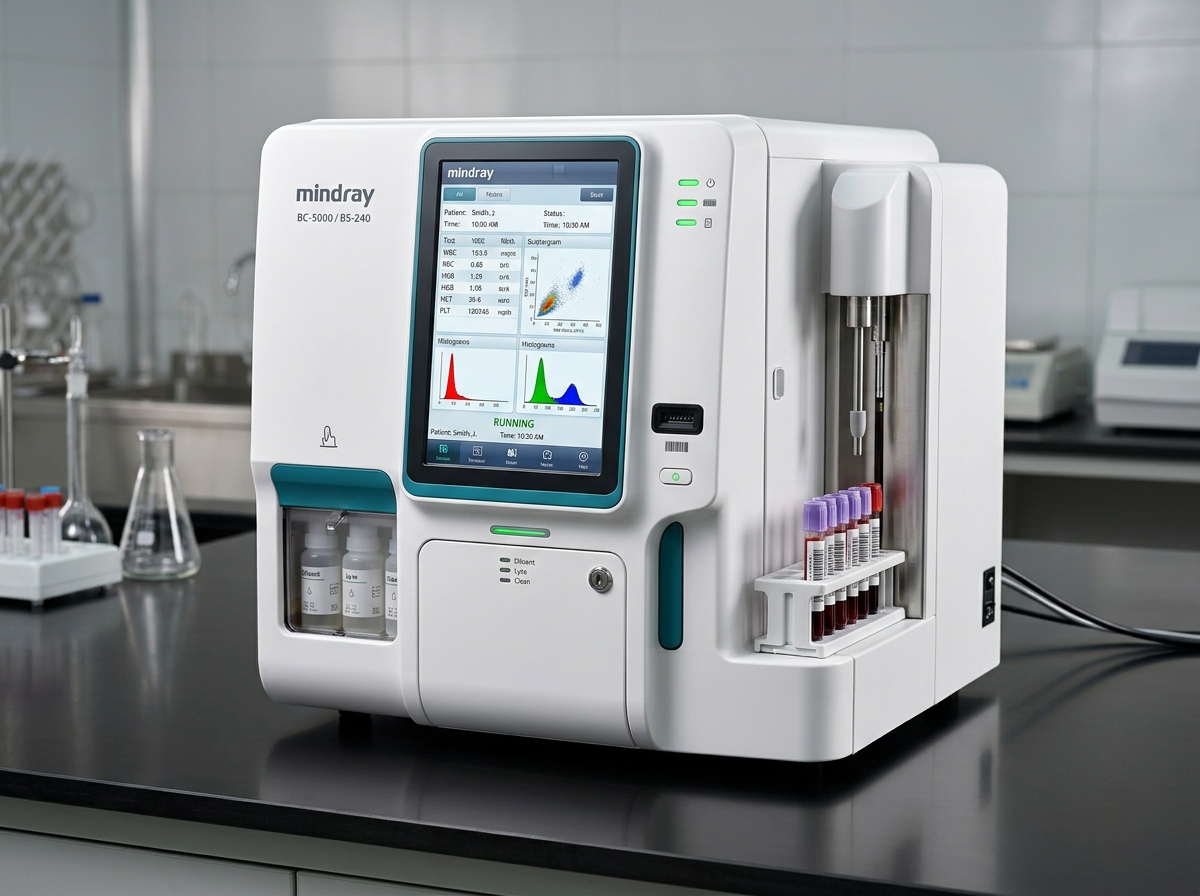
Mindray BC-5000 / BC-5150 / BC-5380
Hematology (CBC 5-Part)Mindray Medical5-Part Laser Flow Cytometry Hematology Analyzer
Mindray BC-3000 Plus / BC-20s / BC-30s
Hematology (CBC 3-Part)Mindray Medical3-Part Hematology Cell Counter with Dual Chamber Sampling
Horiba Yumizen H500 / Microsemi CRP / Micros 60
Hematology (CBC + CRP)Horiba MedicalCompact 5-Part & 3-Part Automated Hematology with Whole Blood CRP
Beckman Coulter DxH 500 / DxH 520
Hematology (CBC 5-Part)Beckman CoulterHigh-Performance 5-Part Hematology Workstation
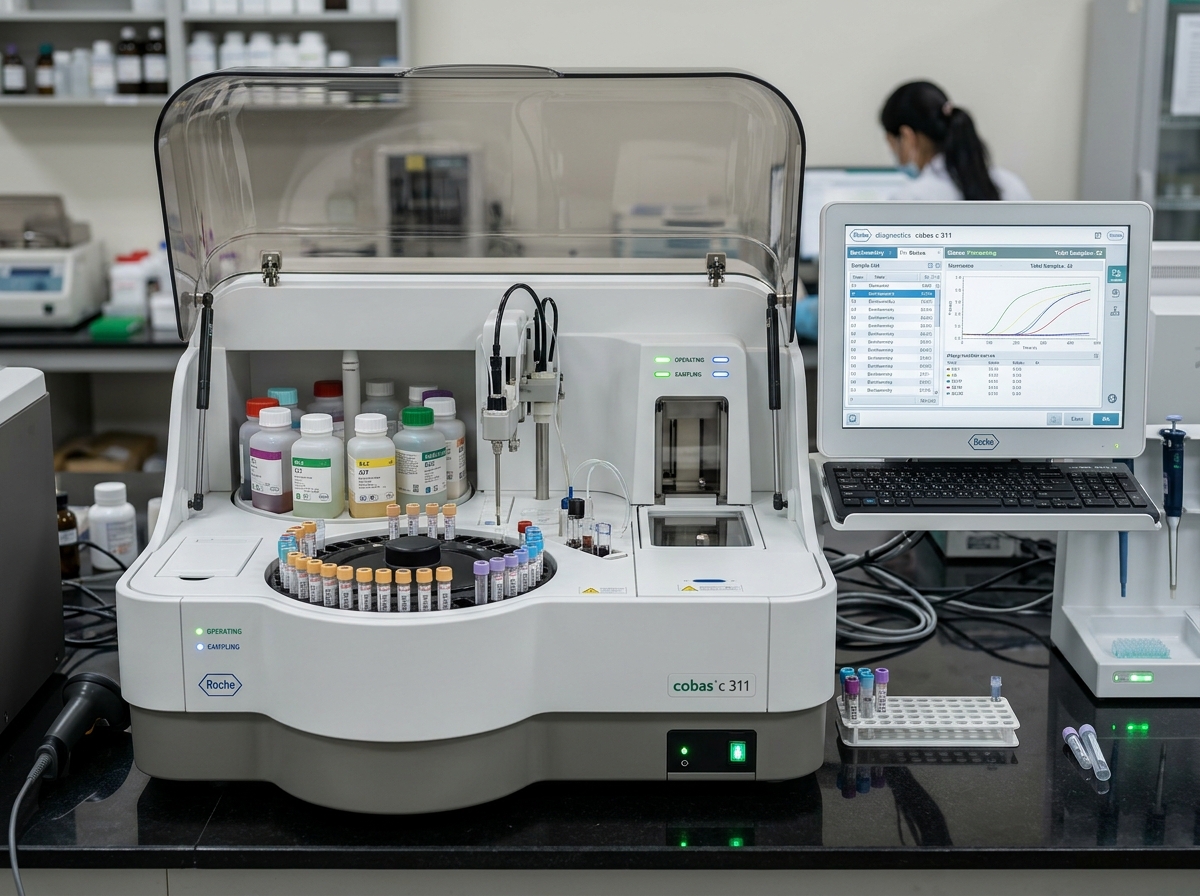
Roche Cobas c311 / c111 / Integra 400 Plus
Biochemistry (Fully Automated)Roche DiagnosticsRandom-Access Photometric & Turbidimetric Chemistry Workstation
Mindray BS-240 / BS-200 / BS-120 / BS-380
Biochemistry (Automated Analyzer)Mindray MedicalAutomated 200–400 Tests/Hour Clinical Chemistry Analyzer
Erba EM-200 / Chem-7 / Chem-5X / XL-200
Biochemistry (Semi & Fully Auto)Erba Mannheim / TransasiaRandom Access Automated & Semi-Automated Photometer
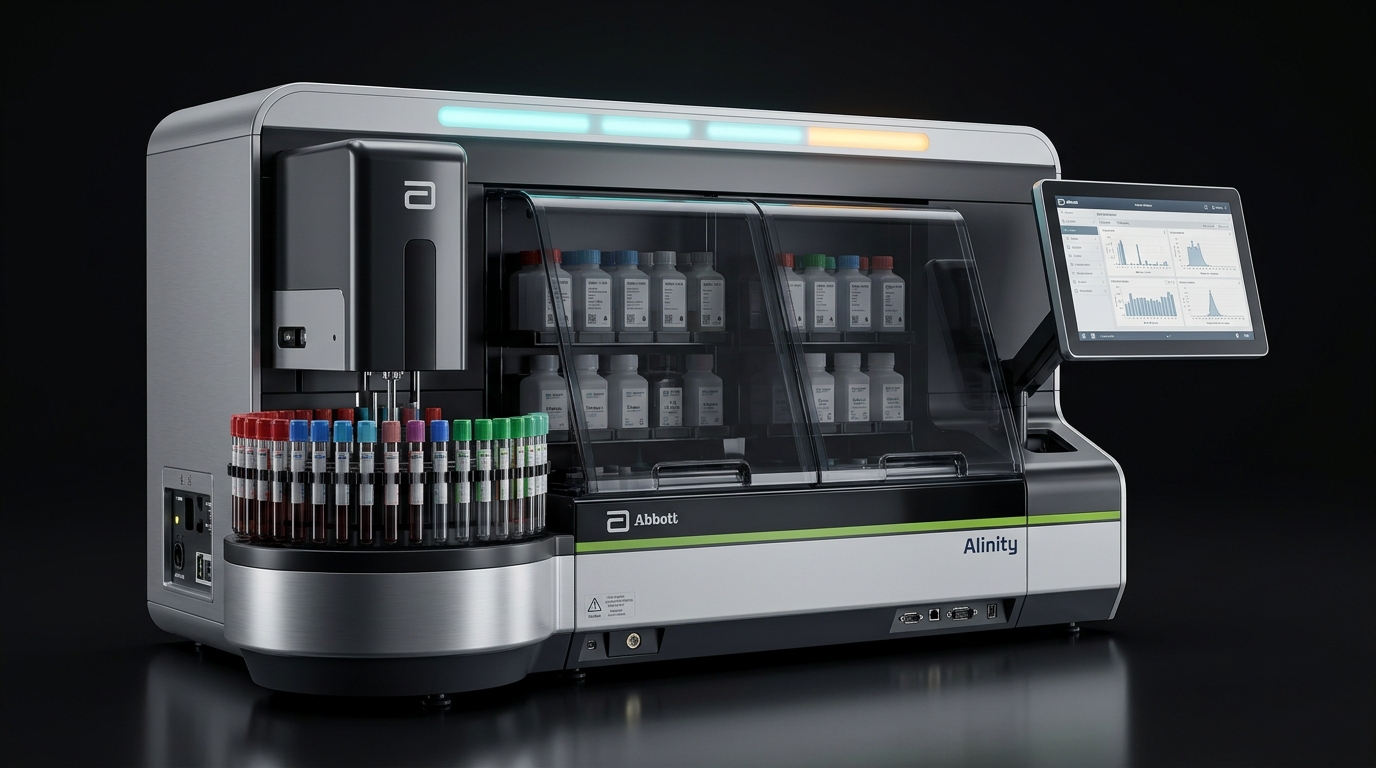
Abbott Architect i1000SR / i2000SR / Alinity i
Immunology & CLIA (Hormones)Abbott LaboratoriesChemiluminescent Microparticle Immunoassay (CMIA)
Roche Cobas e411 / Elecsys 2010
Immunology & CLIA (Hormones)Roche DiagnosticsElectrochemiluminescence Immunoassay (ECLIA) Workstation
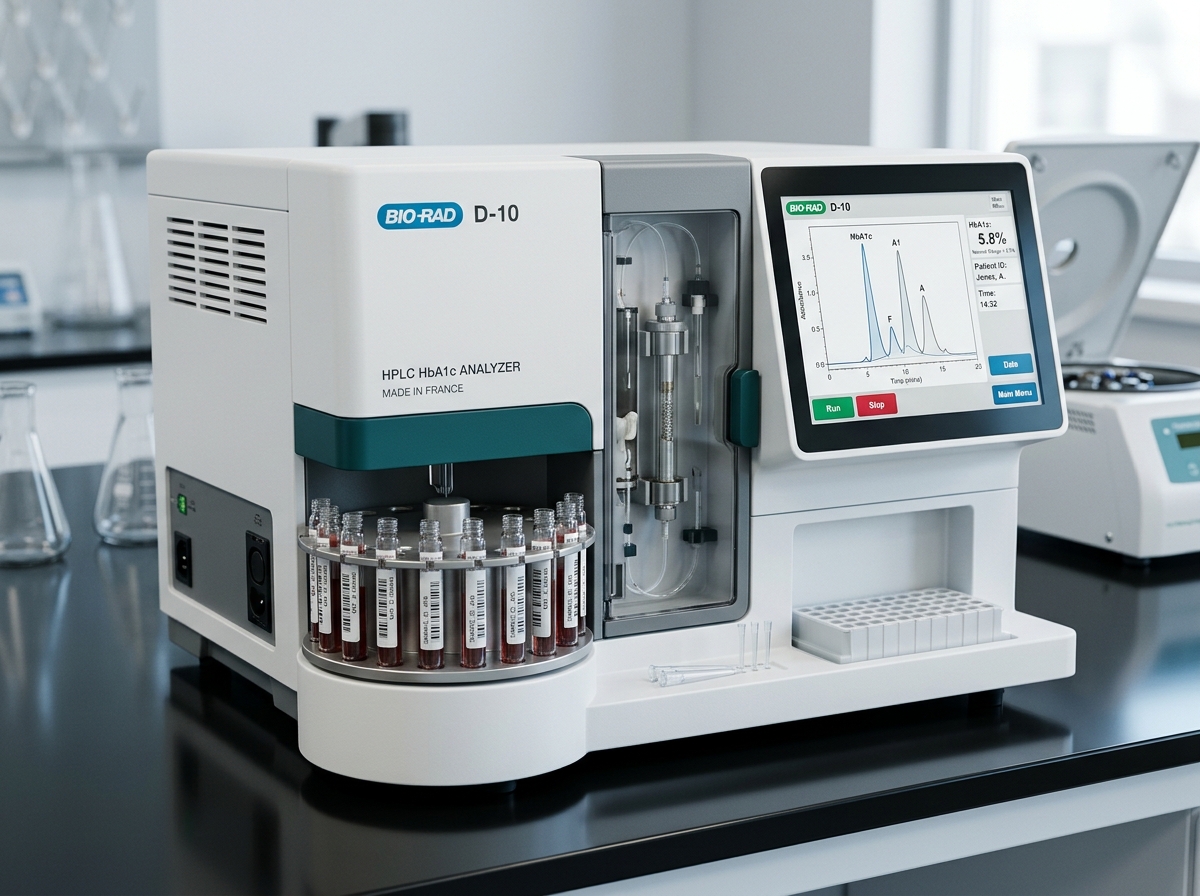
Bio-Rad D-10 / Variant II / Turbo
Diabetes (HbA1c HPLC)Bio-Rad LaboratoriesGold Standard Ion-Exchange HPLC Glycated Hemoglobin Analyzer
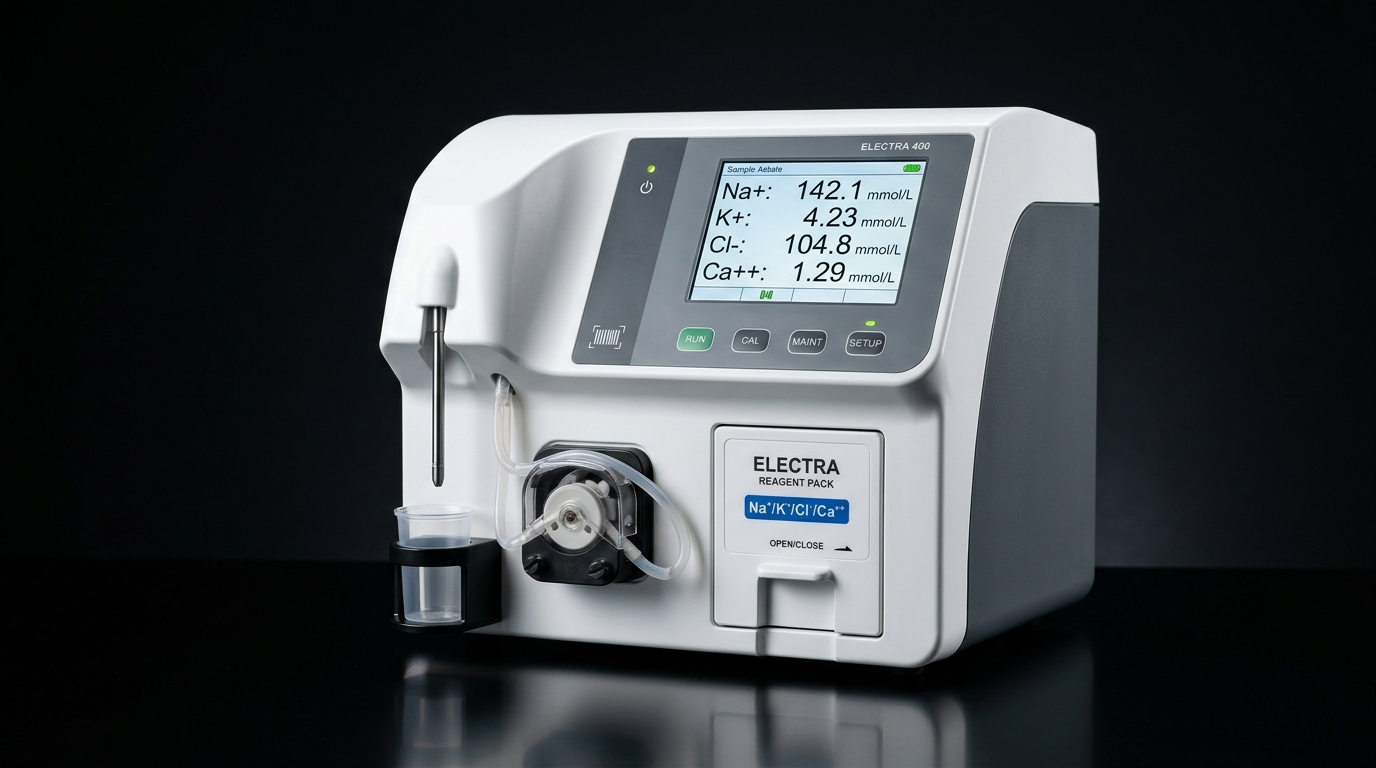
Roche AVL 9180 / Medica EasyLyte / Cornley K-Lite
Electrolytes (ISE Analyzer)Roche / Medica / CornleyDirect Ion-Selective Electrode (ISE: Na+, K+, Cl-, iCa++)
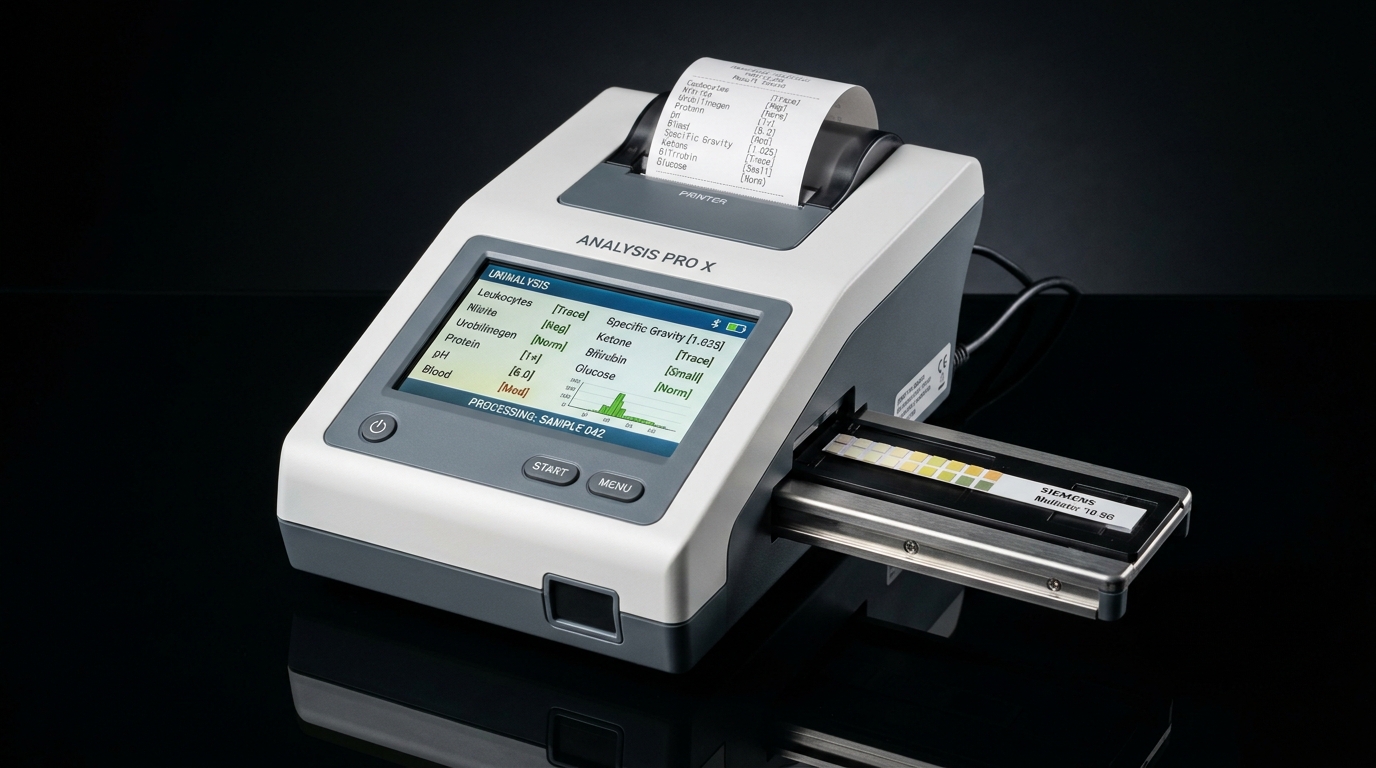
Siemens Clinitek Status+ / Advantus / Arkray Aution
Urinalysis (10-Parameter Strip)Siemens Healthineers / ArkrayReflectance Photometry Automated Urine Test Strip Reader
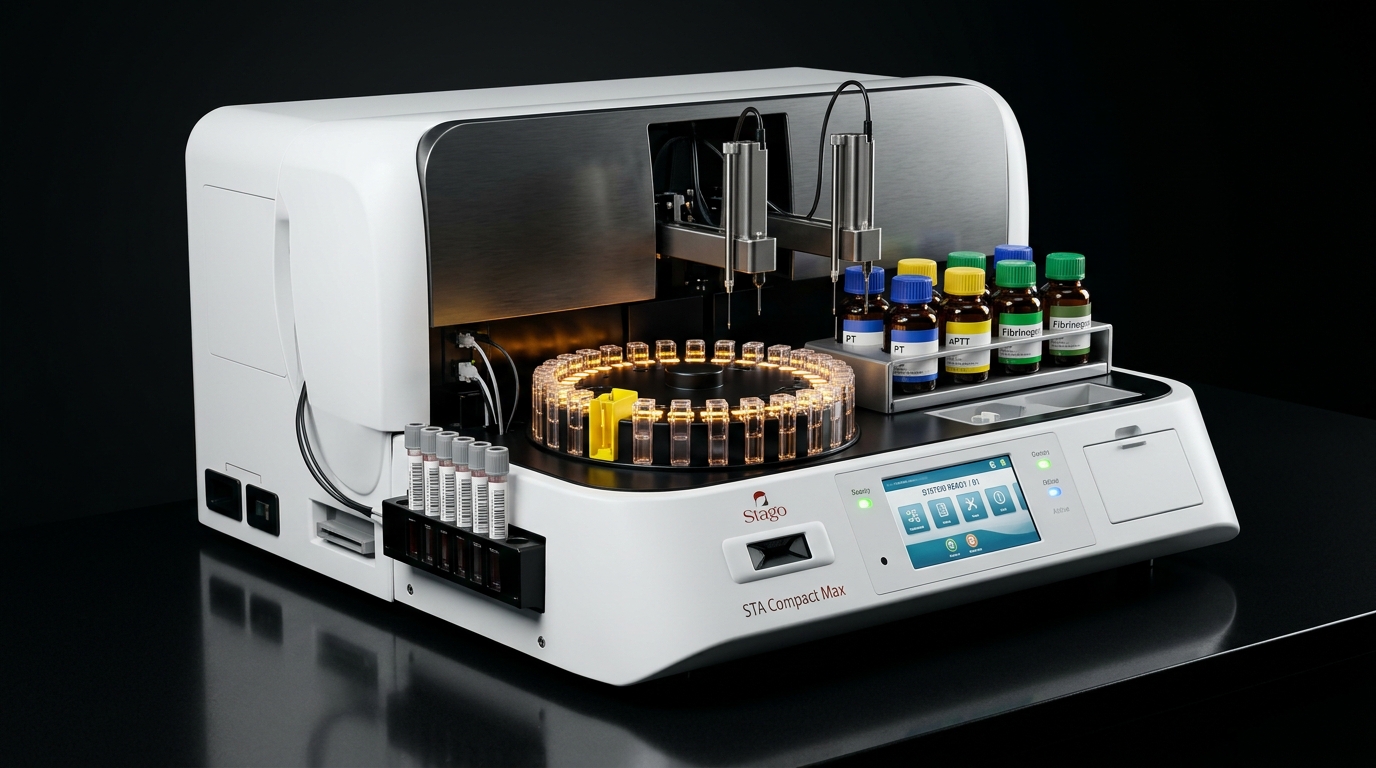
Stago STA Compact / Satellite / Sysmex CA-600
Coagulation (PT/INR & D-Dimer)Diagnostica Stago / SysmexMechanical Viscosity-Based Clot Detection & Chromogenic Coagulation
The Universal 3-Wire DB9 RS-232 Connection
Medical auto-analyzers require only 3 electrical lines to transmit clinical test results securely: Transmit (TXD), Receive (RXD), and Signal Ground (GND).
Listens to raw ASTM/HL7 data packets streamed outward by the medical instrument.
Sends ASTM handshake confirmation characters (<ACK>, <ENQ>) back to analyzer.
Essential common voltage reference. Eliminates electrical noise from centrifuge motors and compressors.